
Low oil pressure alarm is a common yet fatal fault. If not handled in a timely manner, it may cause engine cylinder scoring, bearing burnout and even complete engine failure. The key troubleshooting points and emergency measures are summarized below:
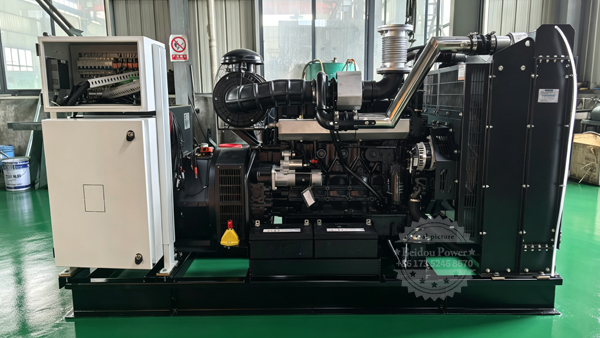
I. Immediate Shutdown! Golden‑time Operation within 30 Seconds
When the alarm goes off, reduce the load and shut down the unit immediately. Do not continue operation! Oil pressure directly affects the lubrication system. Every additional minute of operation under insufficient‑oil conditions may result in irreversible wear of core components such as bearings and crankshaft. After shutdown, wait for 30 minutes to allow engine oil to fully flow back to the oil sump before carrying out inspection.
II. From Simple to Complex: Four‑step Troubleshooting Method
1. Check the oil: Is the level sufficient? Is the oil in good condition?
Insufficient oil level: Pull out the oil dipstick. If the liquid level is below the MIN mark, it may be caused by oil leakage or oil consumption. Top up with engine oil of the same specification to the normal range.
Deteriorated engine oil: Observe the oil appearance. Emulsification, black discoloration or foreign contaminants indicate oil failure. Replace the engine oil and oil filter at once.
2. Check the oil circuit: Is it blocked or leaking?
Clogged filter: Failure to replace the filter for a long period will restrict oil flow. Replace with an original‑equipment filter. Pre‑fill the filter with engine oil before installation to avoid dry start‑up.
Oil pipe leakage: Inspect the oil sump and pipe joints for oil seepage. Tighten loose joints or replace damaged oil hoses.
3. Key components: Malfunction of oil pump or pressure sensor
Faulty oil pump: Worn pump body or excessive gear clearance will lead to insufficient oil supply. Disassembly and maintenance by qualified personnel are required.
False sensor alarm: Measure the actual oil pressure with a mechanical pressure gauge. If the actual pressure is normal but the alarm persists, the sensor or wiring may be faulty; replace the sensor probe.
4. Mechanical wear: Excessive bearing clearance
Worn crankshaft and connecting‑rod bearings cause oil pressure loss. Disassemble the engine to measure clearances. Bearing shells must be replaced in case of severe wear. It is recommended to contact the manufacturer’s after‑sales service for such repairs.
III. Three Critical Warnings to Avoid Pitfalls
Do not use inferior engine oil: Counterfeit oil degrades easily and provides poor lubrication. It will not only trigger alarms but also accelerate engine wear.
Do not ignore cold‑start protection: Engine oil has poor fluidity in winter. Shut down and perform preheating if the oil pressure fails to reach the specified value within 30 seconds after cold start, so as to prevent dry friction.
Do not run the unit with existing faults: Low oil pressure alarm is not a minor issue. Operating out of fluke may turn a minor fault into a major overhaul, which will sharply increase maintenance costs.
IV. Daily Prevention: Two Key Maintenance Points
Regular replacement of engine oil and filter: Replace engine oil and filter every 200‑300 operating hours in accordance with the unit manual. Shorten the service interval under harsh operating conditions.
Weekly oil‑level check: Let the unit stand for 10 minutes after shutdown before checking the oil level. Ensure the level stays between MIN and MAX marks, and check for oil leakage at the same time.
For more questions about the generator set, please call the Beidou Power team. More than ten years of professional production and sales of power generation equipment experience, more professional engineer team to serve you, choose Beidou power is to choose rest assured, welcome on-site factory inspection.
Post time: Sep-07-2026