
Company News
-
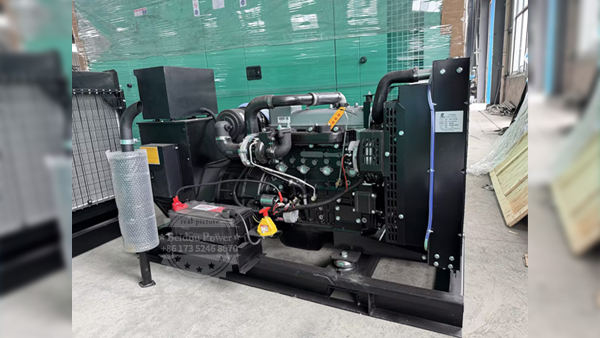
What should I do if the battery of the diesel generator set fails to charge for some unknown reason
The battery is the main power source in a diesel generator set. A fully charged and regularly recharged battery will ensure that the diesel generator set can start smoothly at any time during the year. So, where is the charging coming from? In other words, what charges the battery of the diesel g...Read more -
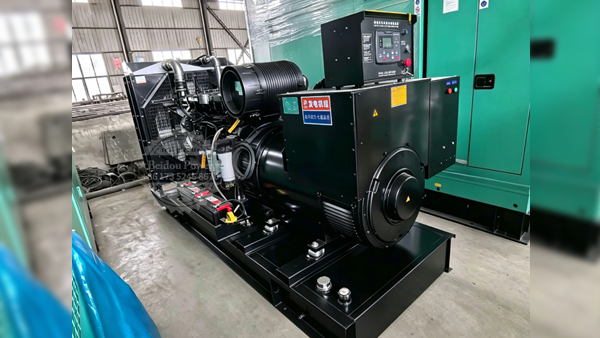
The reasons for oil leakage in the silent diesel generator
If a silent diesel generator is experiencing oil leakage, what could be the cause? The generator manufacturer will provide you with a detailed explanation on this issue. 1. The piston and cylinder liner of the silent diesel generator have poor sealing, causing oil to rise and burn; 2. Due...Read more -
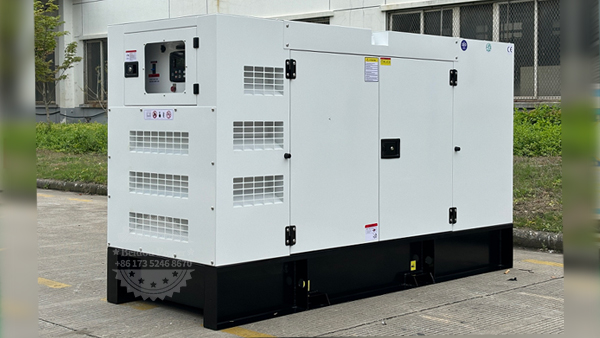
How do silent generator sets reduce noise
As the name suggests, silent generators (low-noise diesel generators) are diesel generators with low noise emission. They are applied in locations requiring power supply from diesel generators while avoiding noise disturbance, such as schools, hospitals, cinemas, banks, hotels and special event v...Read more -
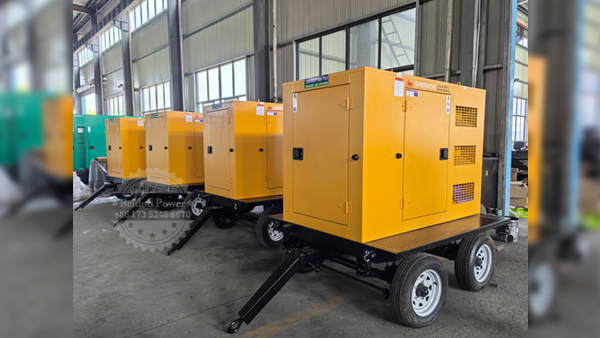
Several aspects to consider when choosing a diesel generator set
When choosing a diesel generator set, there are several aspects that need to be taken into consideration. Below, the diesel generator set manufacturer will provide you with a detailed introduction. Firstly, it is important to select the appropriate power. For ordinary electrical appliances, the ...Read more -
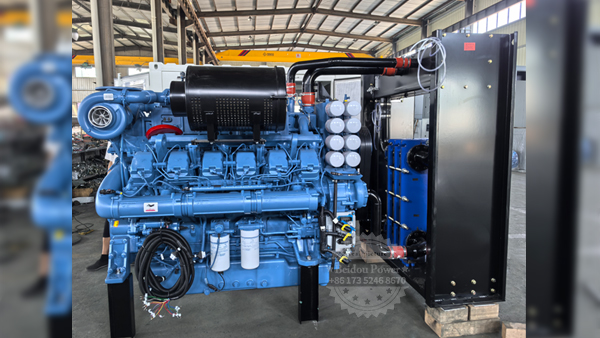
Damaged parts of diesel generator sets
The practical structure of a diesel generator set is quite complex. It mainly consists of a diesel engine, a generator, a controller, a starting system, a battery section, and protection devices. A practical diesel generator set is not a simple machine that just breaks down; however, encountering...Read more -
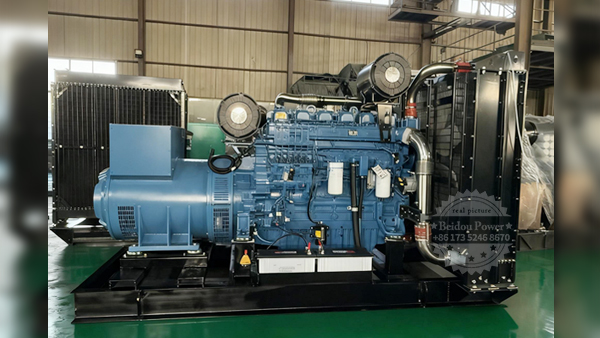
Key Points for Safe Use of Diesel Generators
The diesel generator sets must be operated by personnel who are familiar with the structure of the sets and have mastered the safety operation procedures. New or recently overhauled diesel generator sets should undergo 60 hours of warm-up operation as per regulations and receive necessary mainten...Read more -
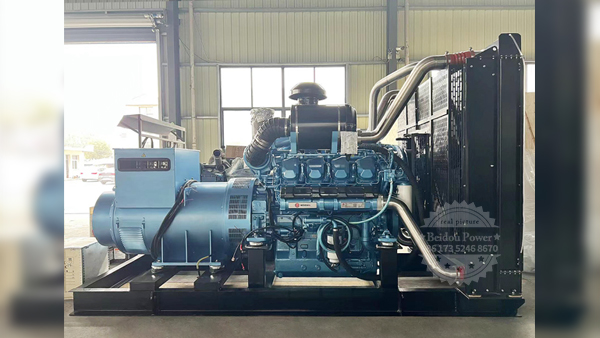
Maintenance and servicing of diesel generators
A diesel generator is an independent power generation device, mainly providing emergency power during power outages. In fact, the generator is mostly in a standby mode and is rarely actually used. It is mainly tested and run in a trial state. There are relatively few complete detection and mainte...Read more -
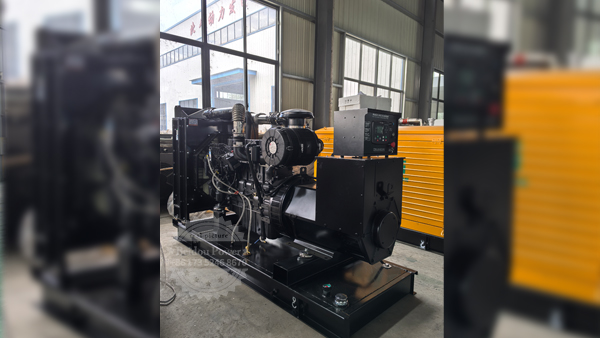
Pre-start inspection of the diesel generator
1. All work tickets related to the diesel generator set have been completed. The diesel engine is idle without any operation or obstacles. 2. Check that the lubricating oil level of the diesel generator is normal. 3. Check that the water level of the cooling water of the diesel generator ...Read more -
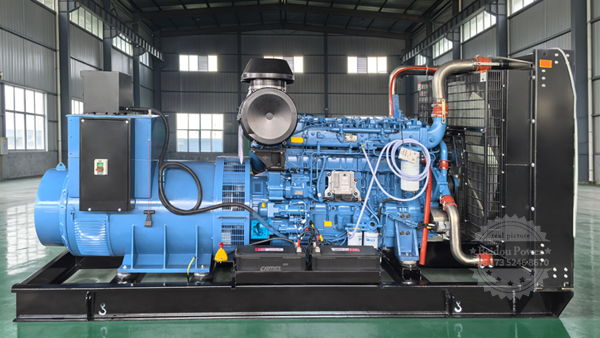
The start and stop of the diesel generator
1. The startup methods of the diesel generator are divided into: automatic, remote (CRT screen soft operation) and local control panel manual startup. 2. The shutdown methods of the diesel generator are divided into: remote (CRT screen soft operation), local control panel shutdown or emer...Read more -
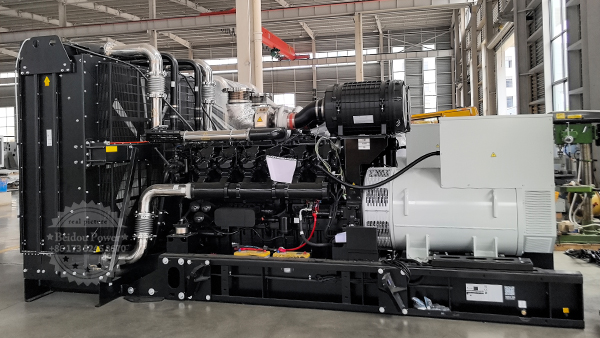
The diesel generator is operating normally
1. The diesel generator can operate continuously under the rated conditions. During operation, the following operating parameters should be monitored and checked to ensure they do not exceed (or fall below) the specified values: Voltage, current, frequency, power factor, lubricating oil p...Read more -
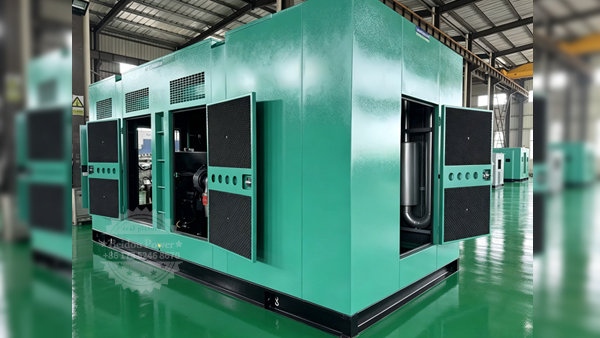
Inspection Items and Routine Periodic Tests of Diesel Generators
(1) Periodic Inspection Items for Diesel Generator under Automatic Mode Inspect the diesel generator set for any leakage. Check that the lube oil level is normal. Check the cooling water level. Check the oil levels of the storage fuel tank and daily service fuel tank. Verify that the local mode s...Read more -
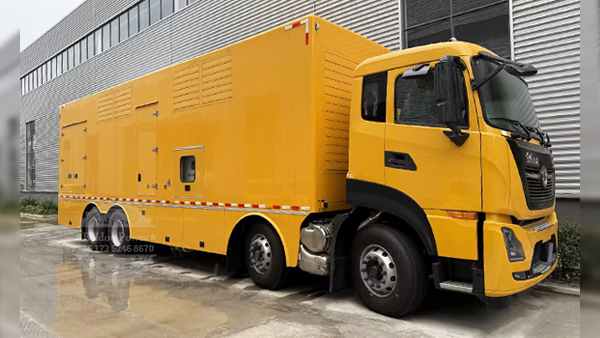
Faults Occurring During Operation of Diesel Generator Sets and Their Troubleshooting
(1) The following faults occur during the operation of the diesel generator: The start-stop switch trips, the unit shuts down and the instrument panel triggers an alarm. If no tripping occurs, press the Emergency Stop button immediately for an emergency shutdown. Fault Causes: Overspeed High coo...Read more